


Yellow Nutsedge Control: Why Pulling This Georgia Weed Makes It Grow Faster
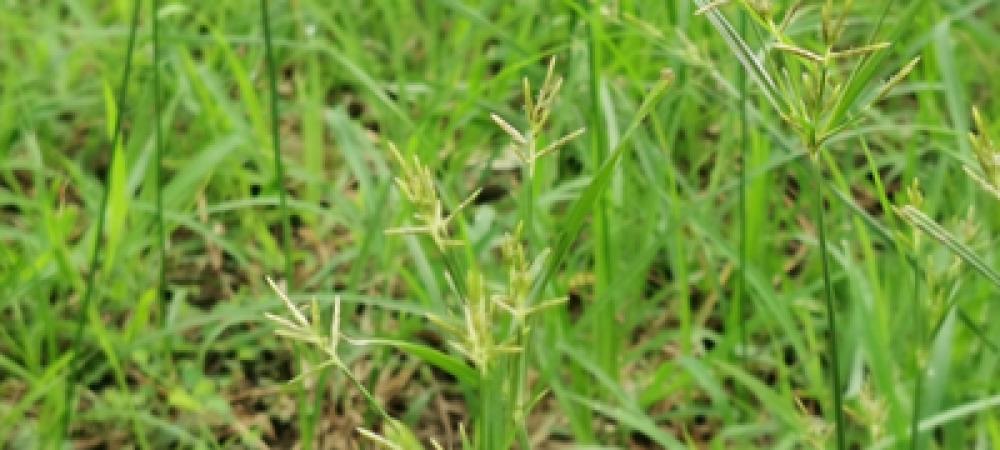
Yellow Nutsedge is a lime-green, triangular-stemmed sedge, not a grass. Never pull it by hand, as this triggers "nutlet" tubers underground to sprout 2-5 new plants for every one pulled. Control requires a selective sedge killer (like Halosulfuron) and consistent moisture management to improve soil drainage.
Why is there a lime-green weed growing faster than my grass?
It’s a common sight in Metro Atlanta: You mow on Saturday, and by Monday afternoon, a bright, lime-green weed is already three inches taller than the rest of your lawn.
This is Yellow Nutsedge (often called "Nutgrass"), and it is the most stubborn invader in Georgia lawns.
Why Hand-Pulling Nutsedge Backfires
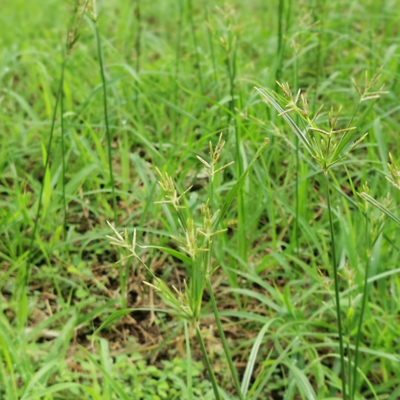
It is incredibly tempting to grab that tall weed and yank it out. Do not do this. Nutsedge reproduces through underground tubers called "nutlets." When the parent plant is pulled, the root system senses the stress and triggers a survival mechanism. The nutlets break off and stay in the soil, often sprouting multiple new plants in the same spot.
How to Identify Yellow Nutsedge
Before you treat your lawn, you need to confirm it’s a sedge and not just "fast-growing grass."
- The "Roll Test": Pick a stem and roll it between your thumb and forefinger. If it feels triangular with three distinct edges, it is a sedge. (True grass stems are round or flat).
- The Color: It will always be a lighter, "neon" green compared to your Bermuda or Zoysia.
- The Location: It loves "wet feet." Look for it in low spots of the yard or near leaky irrigation heads.
How to Kill Nutsedge for Good
Standard weed killers (like those found at big-box hardware stores) are usually designed for broadleaf weeds and won't touch Nutsedge.
- Use a Selective Sedge Killer: Professionals use products containing Halosulfuron or Sulfentrazone. These chemicals travel down the stem to kill the underground nutlets.
- Add a Surfactant: Nutsedge leaves have a waxy coating. You must use a "sticker" (surfactant) with your spray so the herbicide doesn't simply roll off the leaf.
- Be Patient: It can take 10–14 days for the weed to turn yellow. Do not mow for at least 48 hours after treatment.
- Expect a Second Round: Because nutlets can stay dormant in Georgia’s red clay for years, a follow-up treatment 6 weeks later is often necessary for 100% control.
The Long-Term Fix: Lawn Aeration and Drainage
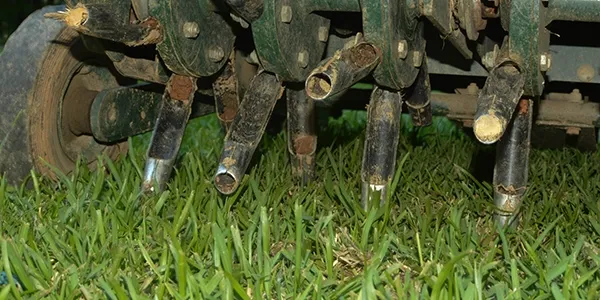
Nutsedge thrives in compacted, water-logged soil. If you have a persistent problem, your lawn is likely struggling with drainage. Core Aeration is the best way to break up Georgia clay, allow the soil to breathe, and make your yard a less hospitable place for Nutsedge to grow.